
The Art of Noticing: Why Creativity Begins With Paying Attention
People often discuss taste as if it’s something you’re born with—an innate gift reserved for artists, designers, and creatives. I don’t believe that’s true. Taste is simply a collection of things you’ve paid attention to.
It’s the accumulation of moments, details, textures, colors, conversations, places, and experiences you’ve noticed over time. It’s not about having the most talent in the room. It’s about being curious enough to observe what others overlook.
In fact, the most creative people I know aren’t always the most naturally gifted. They are, however, the most observant. They notice how morning light changes the mood of a room. They notice the way a well-tailored jacket drapes over the body.
They notice the subtle contrast between matte and glossy finishes, the rhythm of a conversation, the beauty in an imperfect antique, or the feeling a space creates long before they understand. Creativity begins with noticing. And like any muscle, observation can be strengthened.
How to Work the Muscle of Noticing - Slow Down

Most of us move through our days on autopilot. We rush from task to task, checking boxes and looking ahead to what’s next. But great ideas rarely appear when we’re racing.
Permit yourself to pause. Sit in a beautiful room for a few extra moments. Watch how shadows move across a wall. Pay attention to the details that make you feel something.
Look Beyond
Inspiration doesn’t come exclusively from design books, galleries, or magazines. Some of my best ideas come from fashion, nature, travel, architecture, music, and even everyday life.
A color palette might come from a sunset. A sculpture might inspire a furniture silhouette. A design solution may emerge from observing how people naturally gather and move through a space. The more varied your influences, the richer your taste becomes.
Ask “Why?”
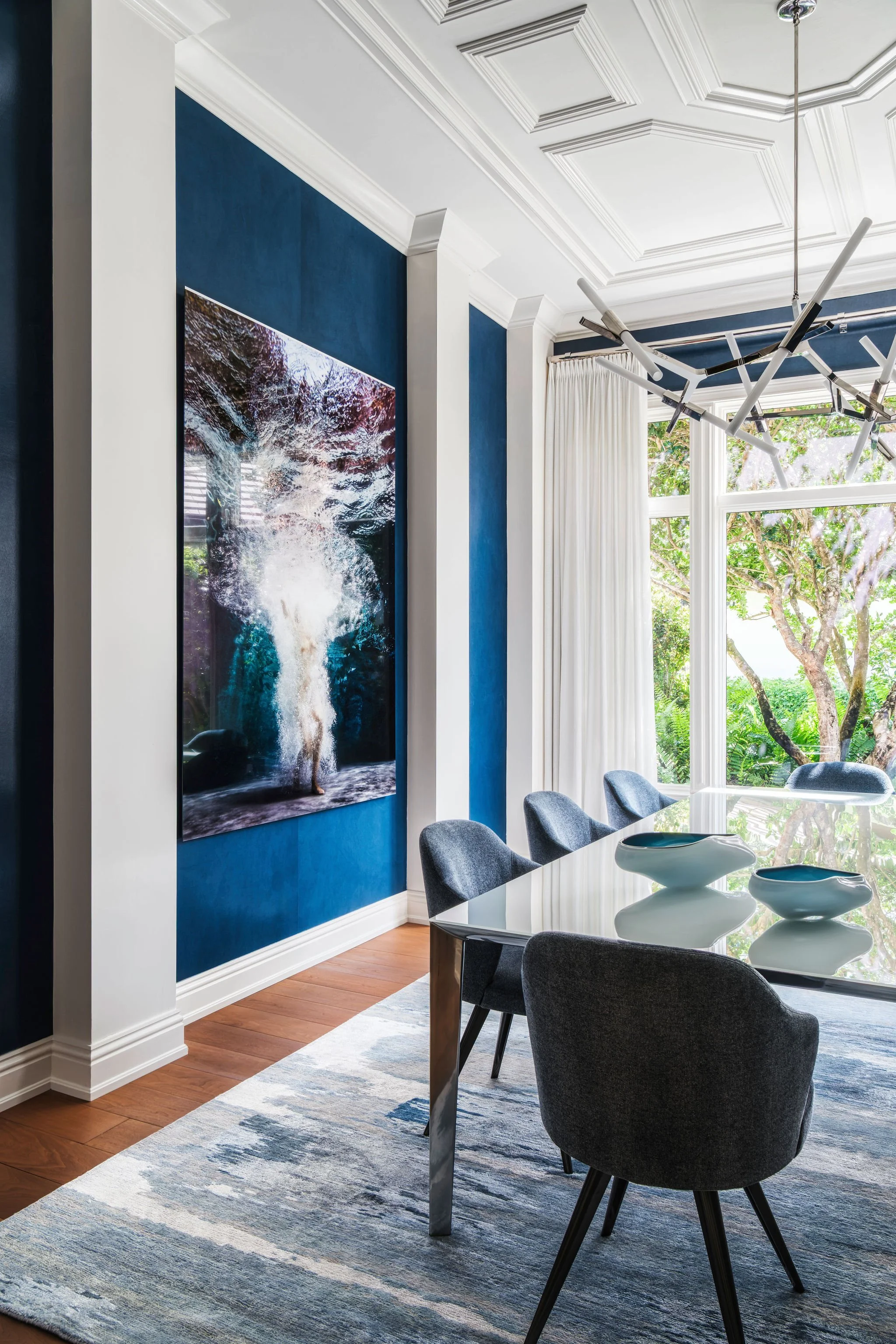
When you encounter something beautiful, don’t stop at admiration. Ask yourself why it resonates. Why does that room feel inviting? Why does that painting command attention? Why does one restaurant feel luxurious while another feels forgettable? The habit of questioning transforms passive observation into active learning.
Collect What Inspires You
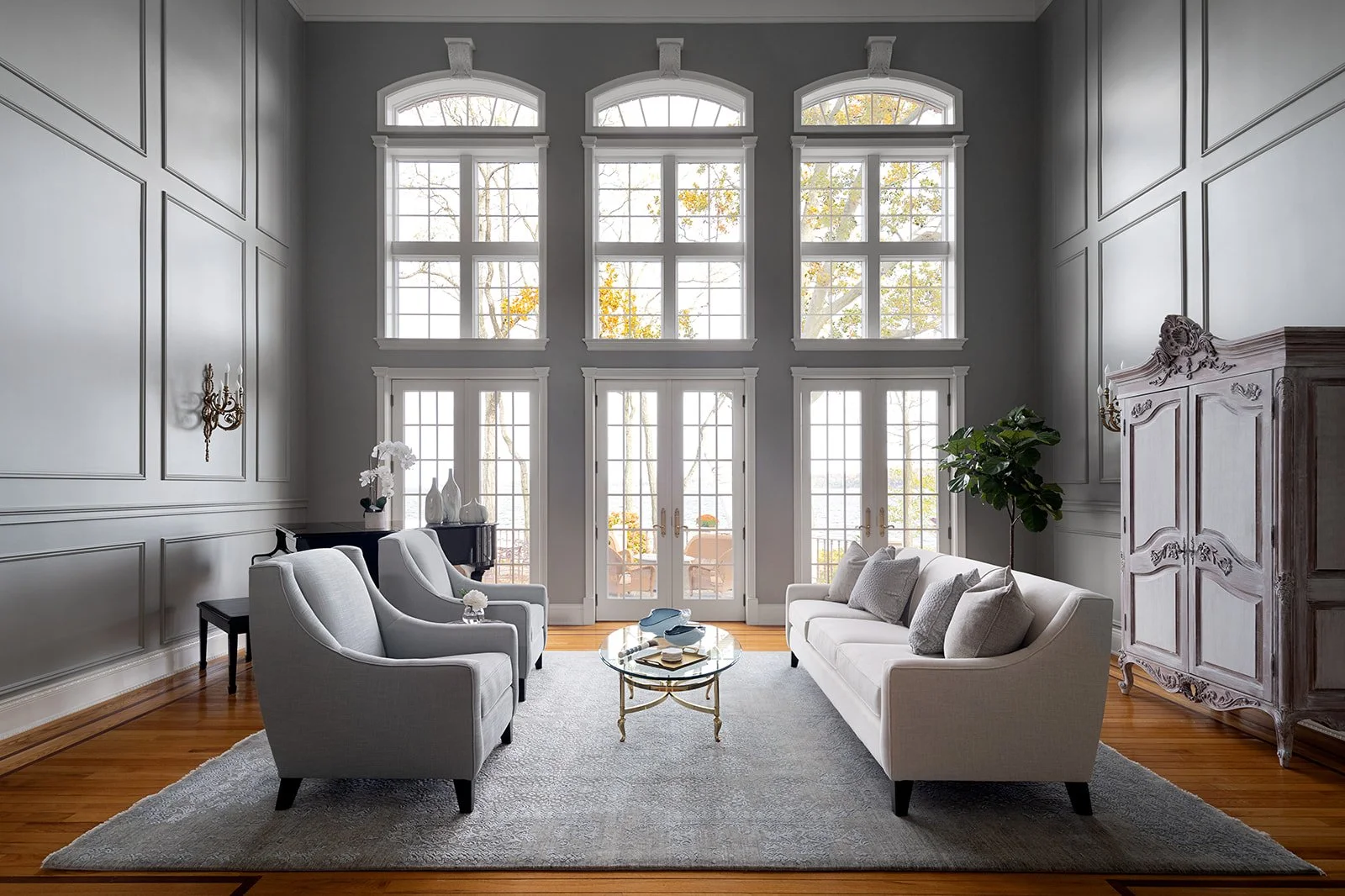
Keep a folder of images. Save photographs. Tear pages from magazines. Create digital mood boards. Not because you'll copy them, but because patterns will emerge. Over time, you'll begin to see what consistently draws your attention. That’s where your personal taste lives.
Be Present
The world is constantly offering inspiration, but only to those willing to notice it. The texture of weathered wood.The layers of a beautifully set table. The movement of fabric in the breeze. The way people interact with a space. These small observations become the foundation of creativity.
The Art of Seeing
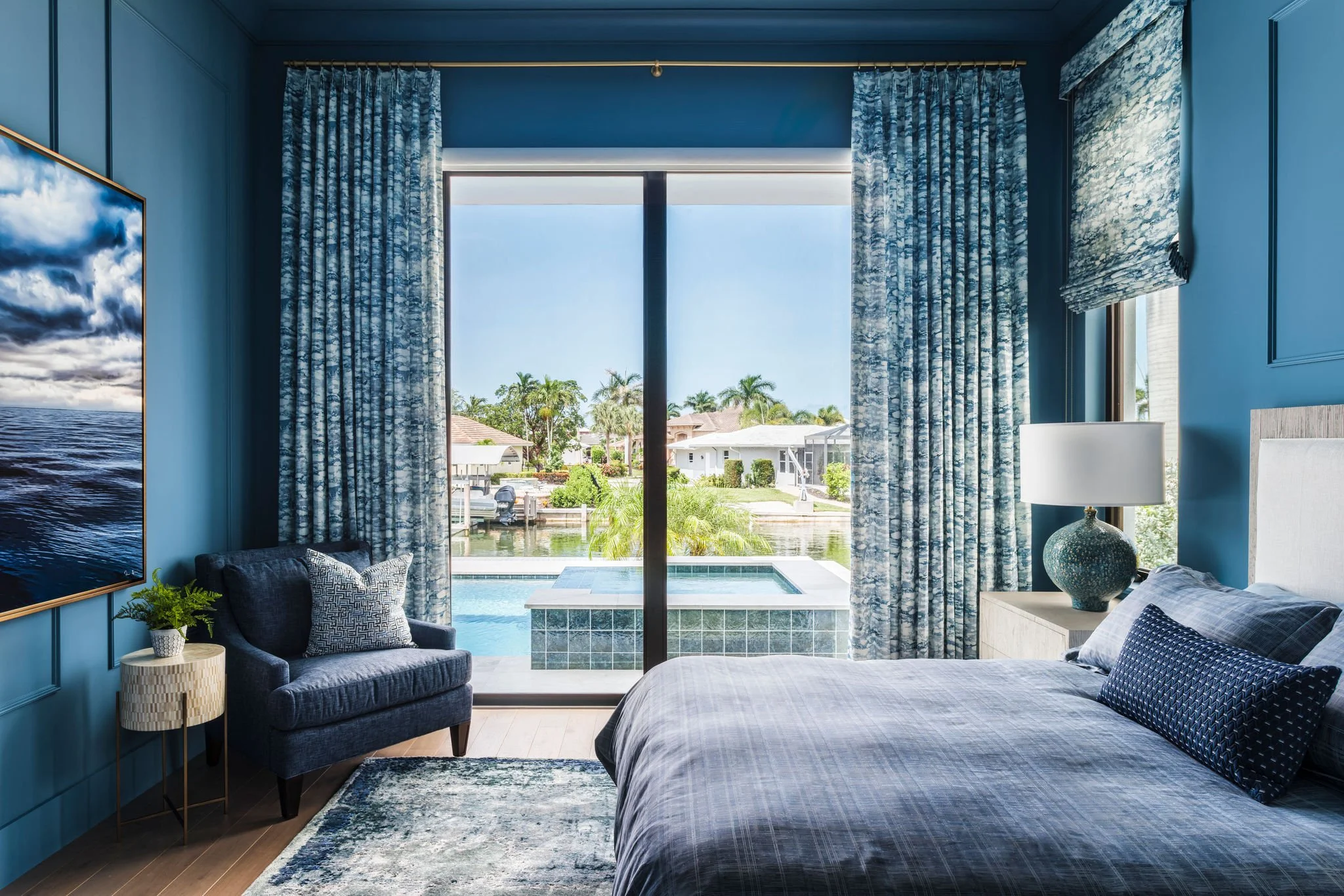
Developing taste isn't about following trends or having perfect instincts. It’s about learning to see. The more you pay attention, the more connections you make. The more connections you make, the more creative you become. Because taste is not a mystery. It’s simply the result of a lifetime of noticing.
Need more help with your interior design? Contact us at the link below.
