
Interior Design & Personal Style: The Art of Composing a Beautiful Life
Getting dressed and designing a home may seem like two completely different creative acts—one occurs in front of a mirror, while the other happens within four walls. However, upon closer examination, they share a fundamental connection: both involve composition.
Every morning, we choose what to wear. A beautiful linen shirt, a favorite pair of trousers, a statement necklace, perhaps a touch of color—these choices are not just about getting dressed; they are acts of creation. We craft an aesthetic and subtly shape how we want to feel and how we want others to perceive us.
Our homes follow a similar principle. The furniture we select, the colors we live with, the art we display, the textures we introduce, and even the way we incorporate negative space all contribute to a visual language. Our homes tell a story about who we are, what we value, and, perhaps most importantly, how we want to feel when we are there.
You Dress for the Feeling
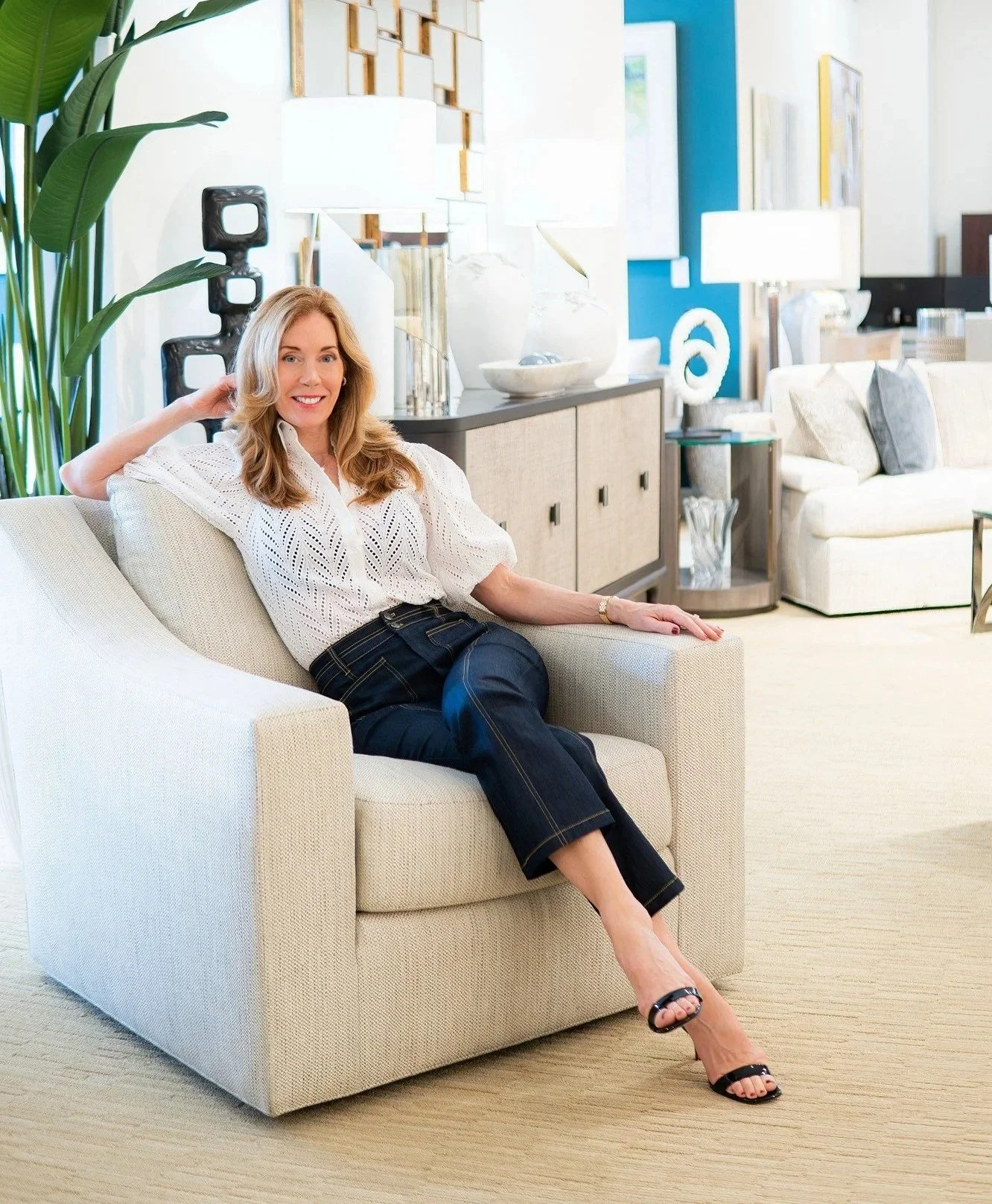
There are days when you reach for something effortless—perhaps a beautiful white shirt, relaxed trousers, and simple jewelry. You want to feel polished without looking like you've tried too hard.
Other days call for a different approach: a stunning dress, bold shoes, or a bit more color. Just like our clothing, our mood, surroundings, and the occasion influence our design choices.
A room can evoke feelings of relaxation, energy, sophistication, playfulness, or complete ease. A soft neutral palette and natural textures can create calm, while a richly colored chair can inject energy and personality. Sculptural lighting can add drama, and a collection of personal objects can make a room feel uniquely yours rather than decorated. Good design doesn't simply look beautiful. It makes you feel something.
Your Home Has a Point of View
Consider the difference between wearing an outfit that simply fits and one that truly feels like you. The distinction often lies in the details. It might be a vintage brooch, a perfectly chosen handbag, an unexpected color, or the way the proportions come together.
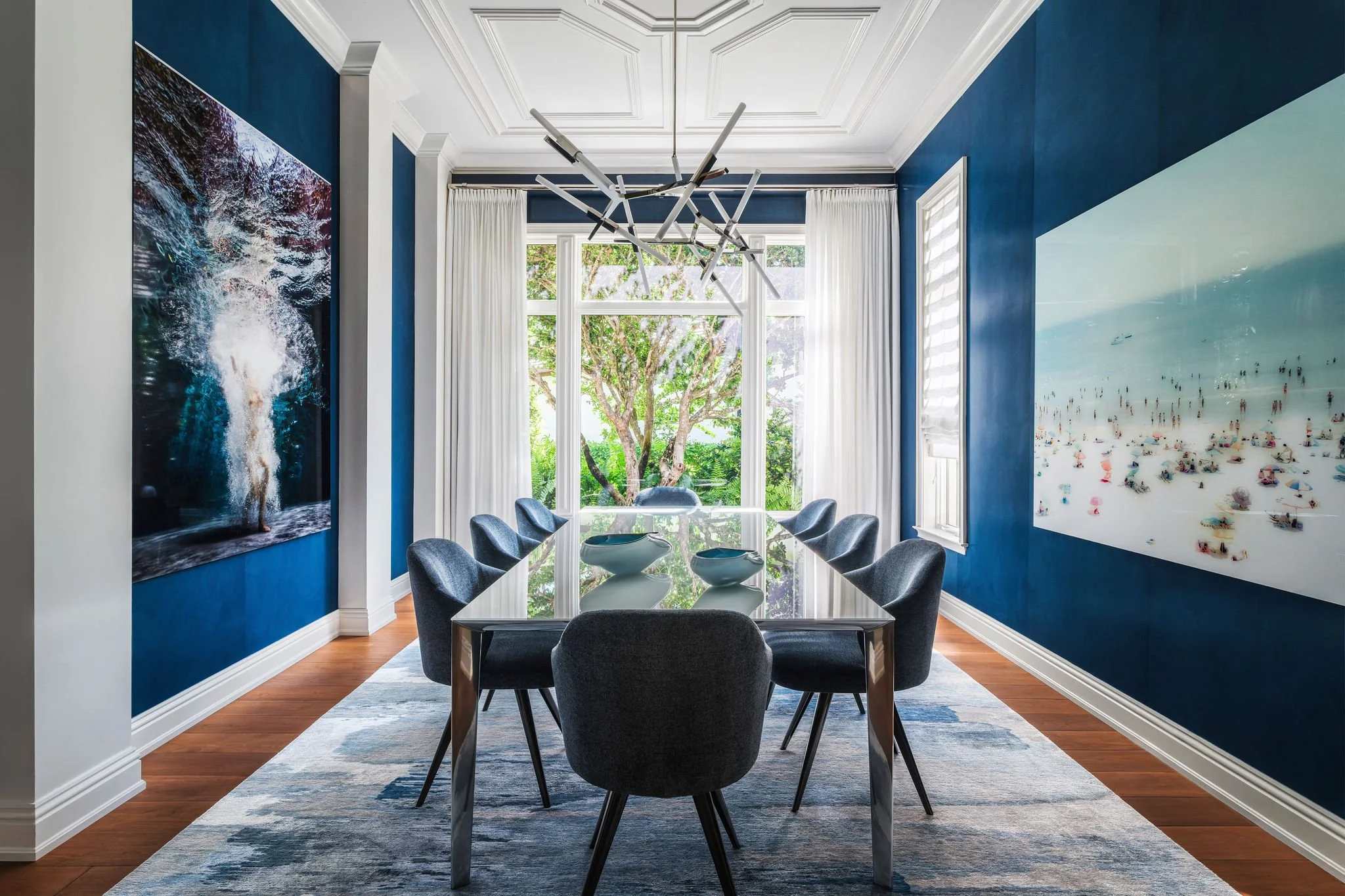
A beautifully designed room works in much the same way. It’s not about filling every corner with beautiful items; it’s about knowing which pieces belong together—and which don’t.
For example, a contemporary sofa paired with an antique chest can create a more interesting aesthetic than a room filled with items from the same collection. A modern light fixture can provide a fresh perspective to traditional architecture, while a woven texture can soften a clean-lined space.
Just like in fashion, contrast is what creates interest.
Color Is Personal
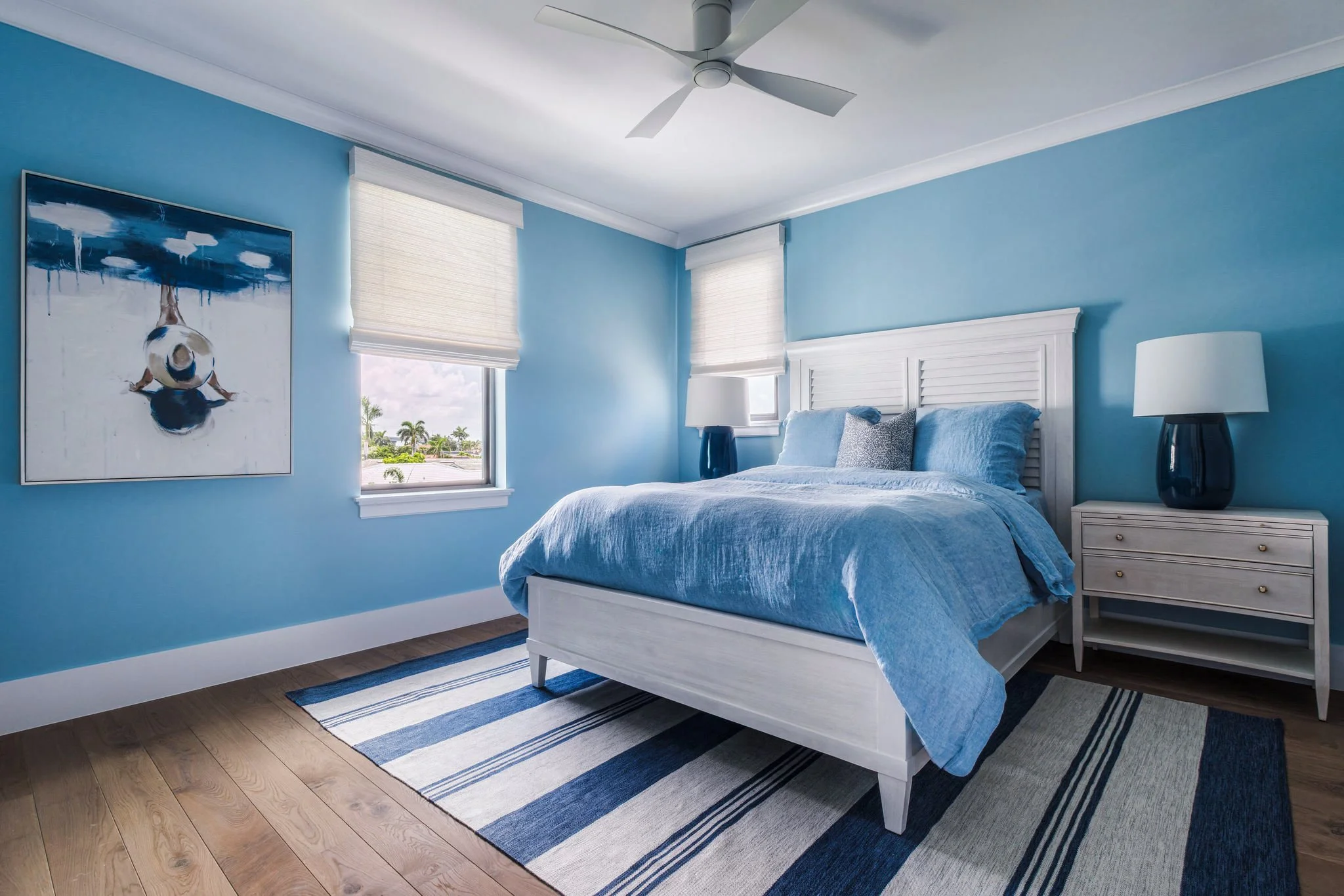
We all have colors that make us feel wonderful. Perhaps it’s a combination of camel and cream, crisp white and navy, or a soft blue that reminds you of the sea.
We instinctively know that color influences how clothing makes us feel, and the same is true for interior design. Color can be subtle or bold; it can fade into the background or command attention. It can create a sense of cohesion, freshness, intimacy, or spaciousness in a room.
Just as you don't need to wear every color you love at once, you don’t need to incorporate all your favorite colors into a single room. The key is in the art of editing.
Texture Is the Jewelry of a Room
One of my favorite similarities between fashion and interiors is the importance of texture. Consider an outfit made entirely from a single fabric. While it may be visually appealing, it can often feel flat. Now, imagine adding a cashmere sweater, leather shoes, a silk scarf, and a textured handbag. Suddenly, the outfit comes to life with depth and interest.
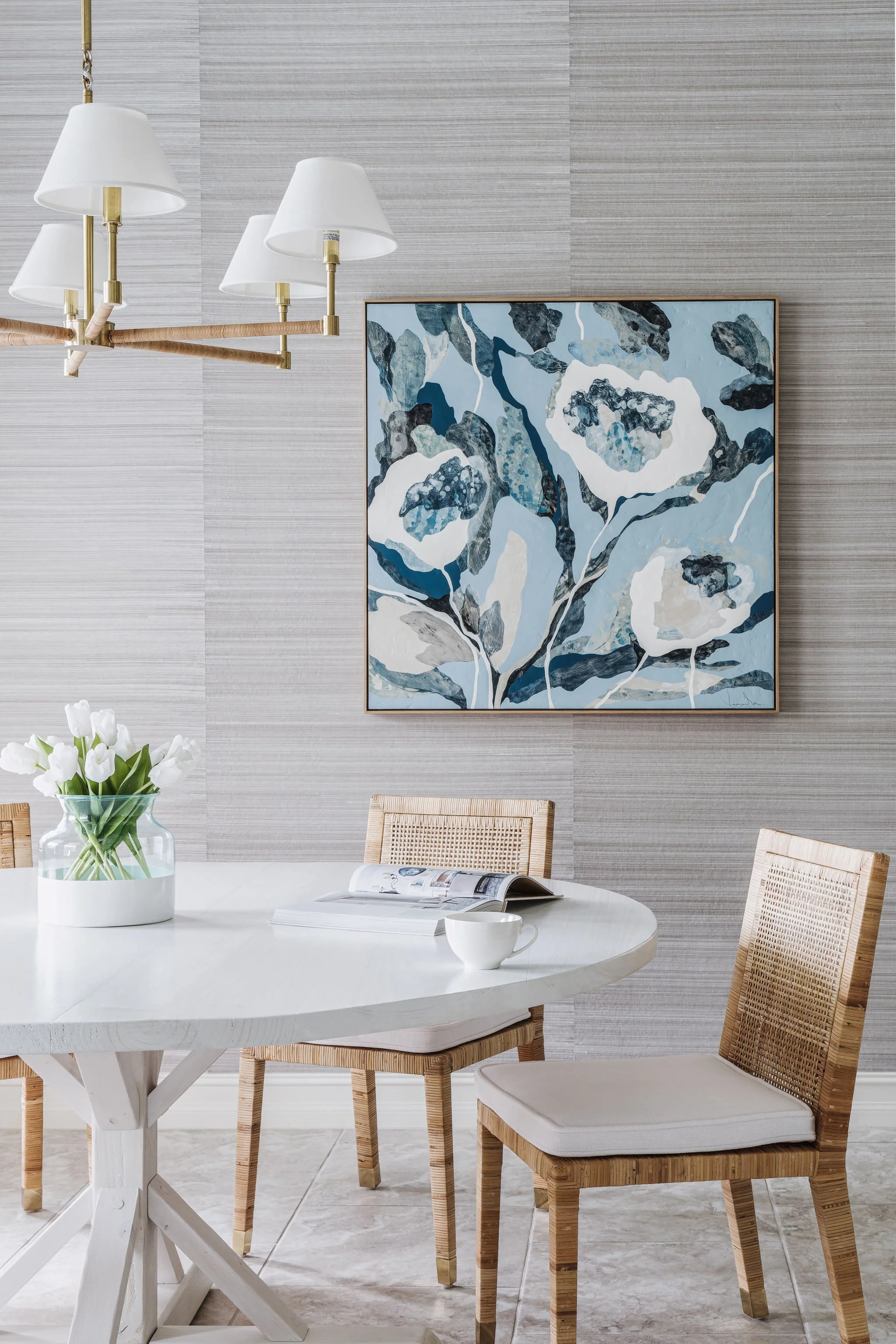
The same principle applies to room design. To create a rich and inviting space, it’s essential to layer different textures. Incorporating materials like linen, boucle, wood, stone, woven fibers, glass, metal, and other natural elements creates a tactile experience. These varied textures allow the eye to wander throughout the room, providing a sense of richness without overloading the space. Ultimately, texture is often what makes a room feel truly luxurious.
The Art of Editing
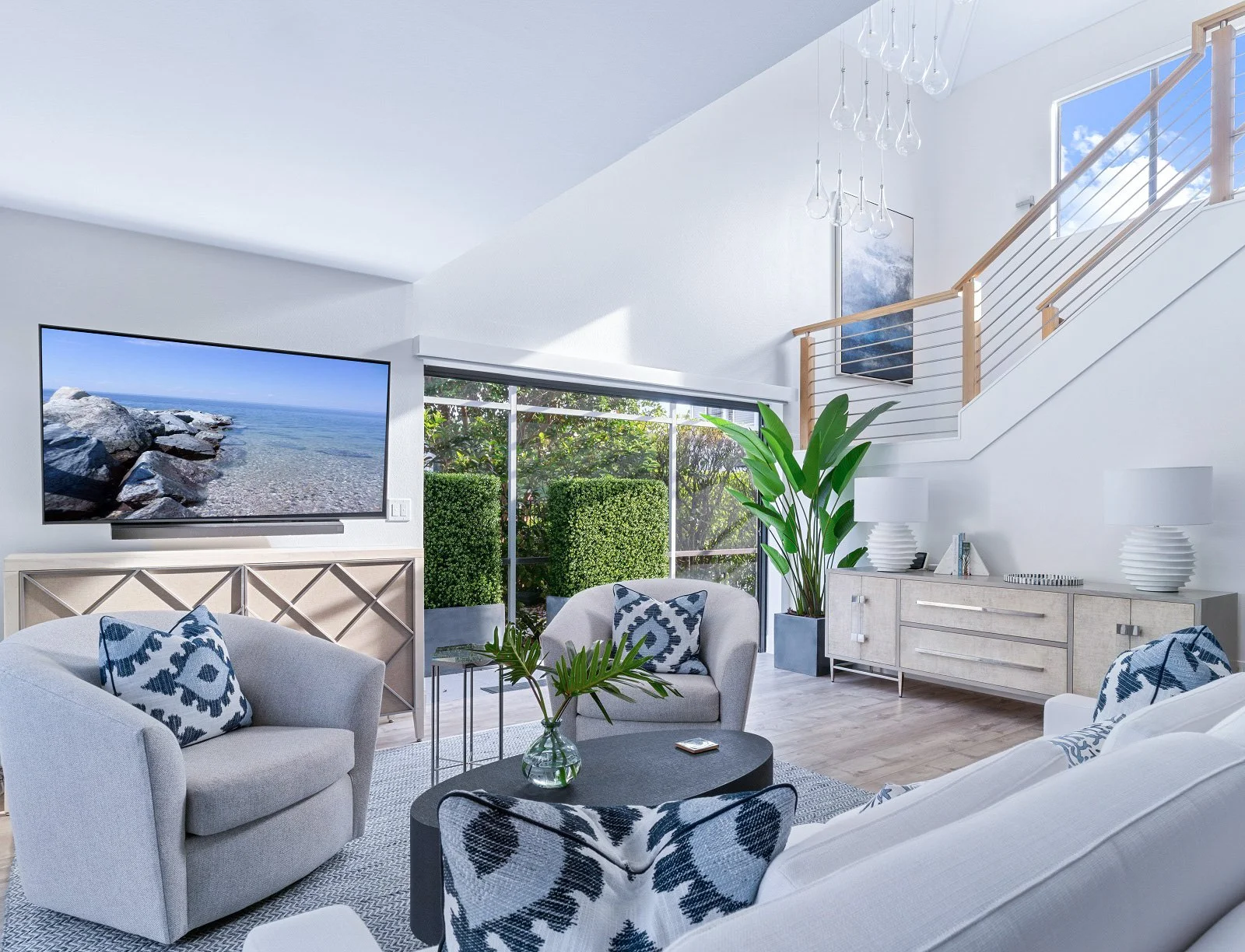
Perhaps the most important lesson fashion teaches us about interior design is knowing when to stop. You can have too many accessories, colors, patterns, or competing statements. The most stylish outfits often feature one element that stands out, while the others support it. A room deserves the same level of discipline.
Not every beautiful piece needs to be in the same space. Sometimes, removing an item allows the room to shine even more. That kind of restraint fosters sophistication.
What Story Are You Telling?

Ultimately, both getting dressed and designing a home express who we are. The way you dress communicates something about you before you even speak, and your home conveys the same message.
Perhaps your story reflects relaxed luxury, or maybe it's sophisticated and curated. It could be contemporary and artistic, or warm, coastal, and effortlessly elegant. There is no single right aesthetic.
The goal isn't to create a home that looks like everyone else's, but to design one that feels you authentically. In many ways, your home is like the outfit you wear every day. It surrounds you, welcomes your guests, and sets the mood for your mornings, dinners, quiet evenings, and special moments with loved ones.
Whether you're standing in front of your closet or choosing a sofa, consider these questions:
- How do I want to feel?
- What message do I want to convey?
- What story do I want to tell?
The most beautiful spaces and the most memorable personal styles don’t just follow trends; they express a unique point of view. That, ultimately, is what makes something truly chic.
