
Is Your Coffee Table Missing Something?
Every living room has a space that invites a little experimentation—expressive, ever-changing, and wonderfully easy to reinvent. It’s one of my favorite places in any home, including my own, and yet it’s also one of the places people tend to overthink.
The coffee table.
It may seem like a small detail in a room, but few surfaces offer the same opportunity to reveal personality. Unlike a sofa or a pair of chairs, a coffee table is wonderfully adaptable. It can change with the seasons, reflect a new interest, showcase something collected on a recent trip, or be restyled when you’re ready to entertain.
It is where function and beauty meet—and where a room can become distinctly yours.
I often think of the coffee table as a room’s finishing touch. It doesn’t need to be perfect. In fact, I prefer when it isn’t. The most compelling arrangements feel collected rather than carefully staged, with a combination of things that are beautiful, meaningful, useful, and perhaps even a little unexpected.
And whether you have one substantial coffee table or a collection of smaller tables, the principles remain the same.
My Four Principles for a Beautifully Styled Coffee Table

1. Create a composition, not a collection.
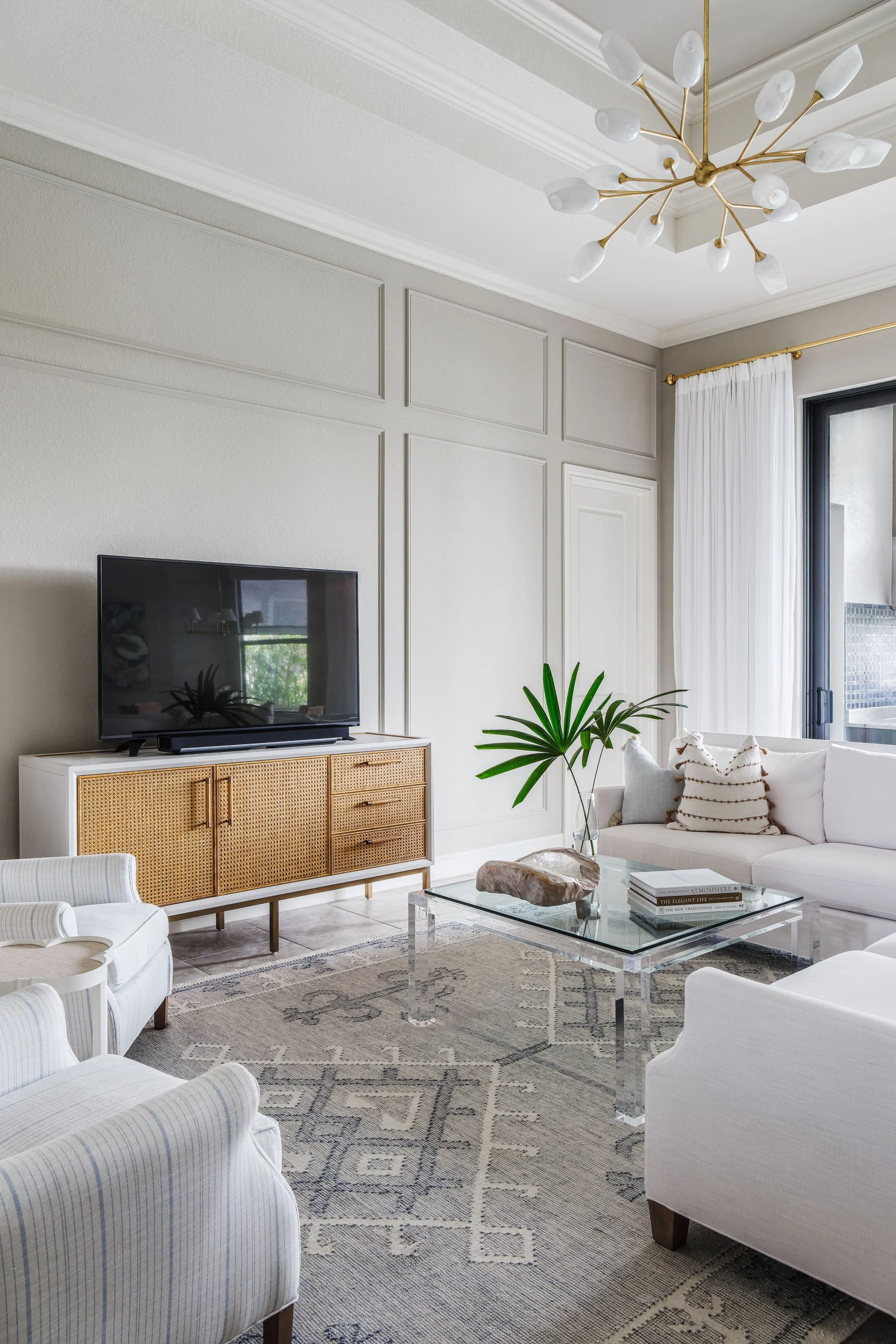
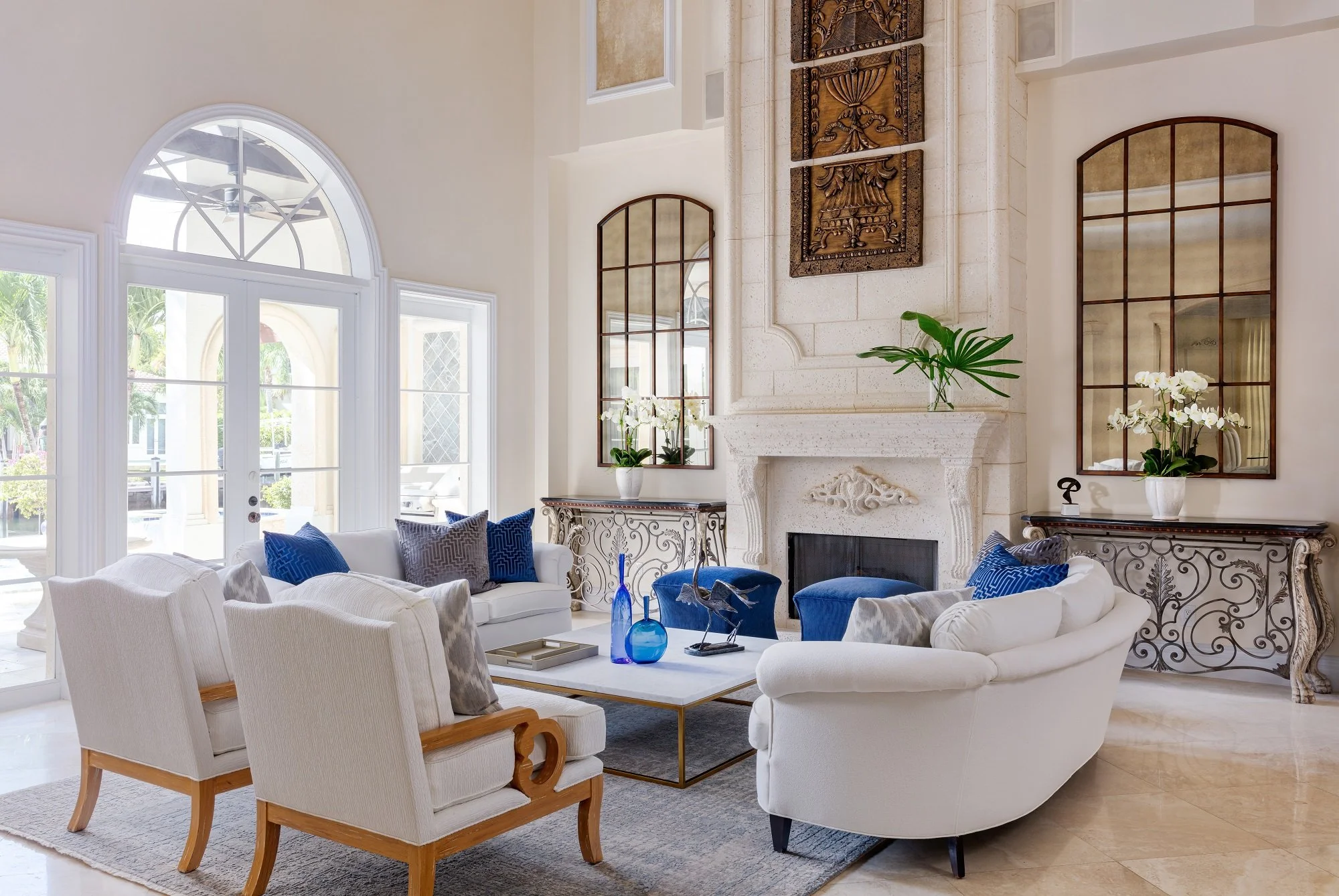
The goal isn't simply to fill the table; it's to create a balanced, effortless composition. Work with varying heights and proportions—for example, pair a stack of beautiful books with a sculptural object, or combine a low bowl with something taller, like a candle or a vase filled with greenery. These scale differences create movement and give the eye something to explore. Don’t be afraid of asymmetry. A touch of imperfection often makes an arrangement feel more collected rather than contrived.
2. Let the books tell a story.
Beautiful books are one of my favorite styling tools because they bring both color and personality to a room. Choose books that speak to you—architecture, fashion, art, travel, photography, gardens, or a place that holds a special memory. Stack them casually, and use them to add height to another object. But most importantly, choose books you actually want to open. A coffee table should give your guests something to discover, not simply something to look at.

3. Bring in something organic.
Every room can benefit from something living. Adding a small orchid, a few branches from the garden, a bowl of seasonal fruit, or an arrangement of fresh greenery can instantly bring warmth and softness to a coffee table. I particularly love the contrast between organic elements and more refined materials such as glass, stone, metal, lacquer, or beautifully bound books. This juxtaposition prevents a room from feeling too precious. It distinguishes a merely decorated space from one that feels alive.
4. Remember that it’s a table.
One of the most important design principles is also the simplest: leave room to live. A coffee table should be functional. There should be a place to set down a glass of wine when friends visit, a cup of coffee on a quiet morning, or a bowl of popcorn when everyone gathers to watch a movie. I believe that styling should never compromise comfort. Good design should enhance everyday life, making it feel more beautiful and not more complicated.
The Art of the Effortless Coffee Table
The beauty of a coffee table lies in its ability to change. You can switch out the flowers, rearrange the books, bring home a small object from your travels, or add something unexpected. It’s one of the easiest areas of a home to experiment with, and it can be incredibly rewarding.
I often tell clients that the details are where a home begins to tell its story, and the coffee table is a perfect example. It can reveal your interests, travel experiences, inspirations, and lifestyle.
Consider the coffee table as the jewelry of your living room—not something that needs to be elaborate or expensive, but an element that adds a final layer of personality, polish, and character. If your coffee table seems to be lacking something, you don’t necessarily need to go shopping for more items. Look around your home; you may already have everything you need—you need to see it from a different perspective.
Follow this blog and share it with someone who needs more design help. Learn more about working with us by clicking the button below.
